When wearing a plate carrier, here are some practical tips to enhance comfort and ensure optimal performance.
1. Balance the Weight
Distribute weight evenly to avoid strain on your shoulders or back. Use well-fitted shoulder straps and consider padding to reduce pressure points. If you’re carrying additional gear, like pouches or equipment, ensure it’s balanced across your body.
2. Prioritize Mobility
Mobility is just as important as protection. Make sure your carrier allows for natural movements, whether you’re running, crouching, or climbing. Test your range of motion during fitting to ensure nothing feels restricted.
3. Choose the Right Plates
Select plates that match your needs. Lightweight materials like polyethylene are ideal for mobility, while steel or ceramic plates provide higher levels of protection but add weight. Always weigh your protection needs against your activity level.
4. Optimize for the Environment
In hot climates, look for carriers with breathable fabrics or ventilation panels to reduce overheating. For cold environments, ensure you can layer appropriately underneath without compromising the fit.
5. Ensure Durability
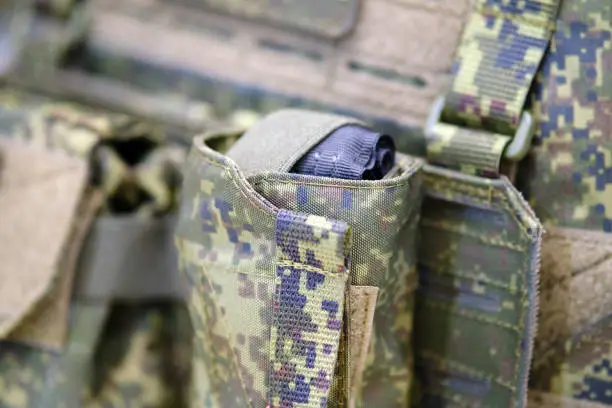
Invest in a plate carrier made from high-quality, durable materials. Reinforced stitching and abrasion-resistant fabrics are essential for long-term use. Regularly inspect your carrier for signs of wear and tear, such as frayed straps or loose buckles.
6. Customize for Your Role
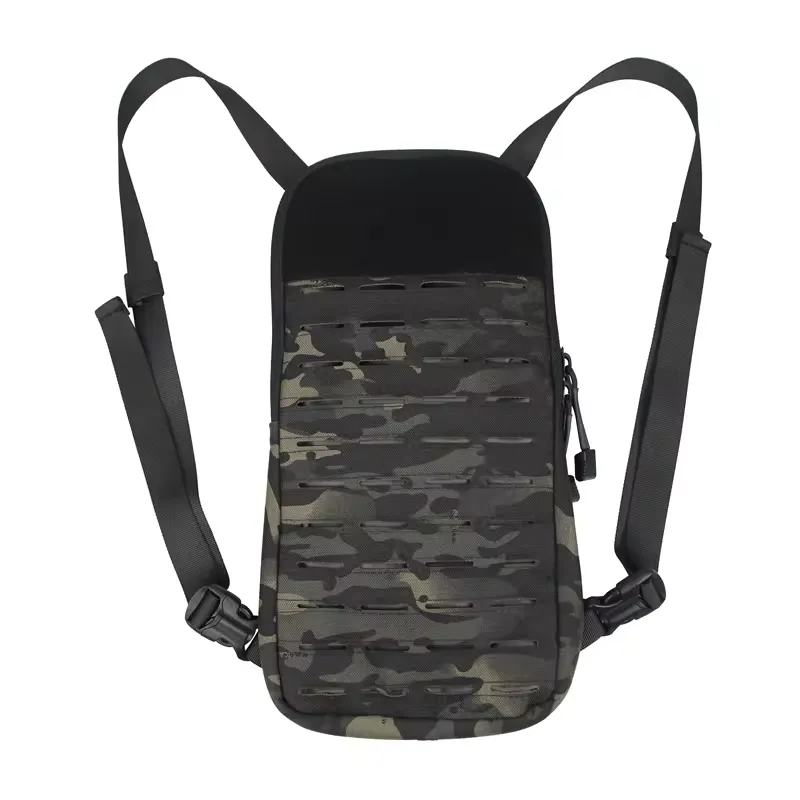
Many plate carriers allow for modular attachments like pouches, holsters, or hydration packs. Tailor your setup to match your specific mission or activity needs. Keep it simple to avoid unnecessary weight.